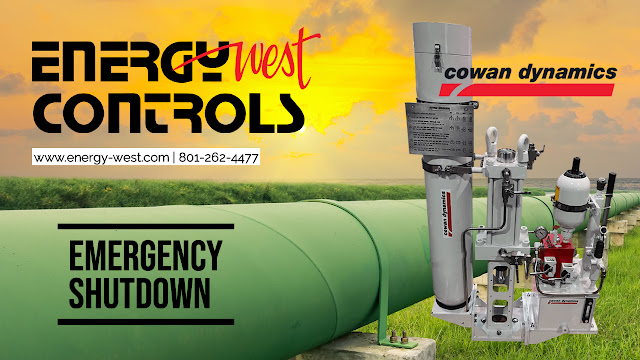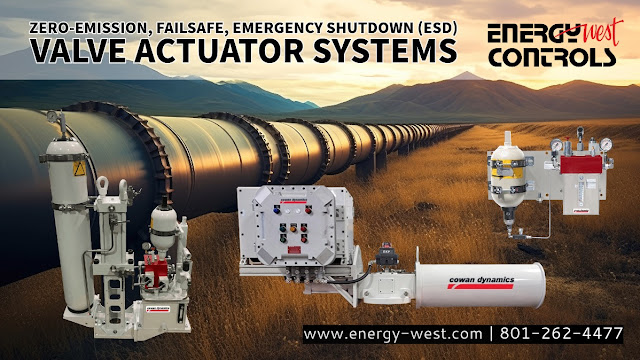
The oil and gas industry has evolved significantly, with a heightened focus on environmental protection and safety. An essential component to safely transferring oil and gas via pipeline is the zero-emission, failsafe emergency shutdown (ESD) valve actuator.
ESD valve actuator systems halt the flow of hazardous fluids or gases when abnormal operating conditions arise. This quick intervention is essential to prevent catastrophic failures, leaks, and explosions. Two main features define these systems: their "zero emission" capacity and "failsafe" functionality. The former ensures the actuator does not contribute harmful emissions to the environment, and the latter ensures that the system automatically reverts to a safe mode in case of a malfunction.
These systems incorporate a sealed design that prevents the escape of hazardous gases to achieve the zero-emissions objective. This design includes high-quality seals and components that leave no room for weak points where emissions might potentially escape. Additionally, many of the latest actuators have monitoring systems looking for possible leaks or system failures. The system can alarm or begin the necessary shutdown procedures if such an issue arises.
Failsafe mechanisms are critically important. A spring return mechanism is one of the primary ways this is achieved. Suppose there's a power loss or a system malfunction. In that case, the spring propels the valve to its designated safe position, which could be either fully open or fully closed, based on the specific application. Additionally, some actuators are designed with secondary power sources, like batteries or reserves of compressed gas, ensuring they remain operational even when the primary power source is compromised. These actuators can promptly recognize operational irregularities and anomalies when coupled with intelligent control systems. Once detected, the system, adhering to predefined parameters, can call on whether to shut down the valve, sound alarms, or take other necessary protective measures.
For several reasons, the introduction and widespread adoption of these advanced ESD valve actuator systems are crucial for pipeline distribution networks. Environmentally, they help mitigate leaks in midstream pipelines, which, if unchecked, could lead to substantial ecological damage, especially if hazardous gases or liquids find their way into the ground or water sources. Another environmental benefit is in the fight against climate change. Methane, frequently found in natural gas, is a potent greenhouse gas. By guaranteeing zero emissions, these actuators significantly reduce the release of methane into our atmosphere.
From a safety perspective, the fast-acting nature of ESD actuators ensures that the flow of potentially flammable substances can be quickly shut down, minimizing the risk of fires or explosions.
Furthermore, with tightening regulations across numerous jurisdictions regarding emissions and safety standards in the oil and gas sector, these zero-emission, failsafe ESD valve actuators have become the gold standard, assisting companies in complying with the stringent rules, not only preventing significant financial penalties but also circumvents potential operational halts.
As the oil and gas industry marches forward, addressing ever-present environmental and safety challenges, the zero-emission failsafe ESD valve actuator systems protect the environment and pipeline operators from the consequences of failures, ensuring public and environmental security and demonstrating a commitment to responsible and sustainable operations.
Energy West, Inc.
1955 West Industrial Circle
Salt Lake City, Utah 84104
Phone: 801-262-4477
Fax: 801-261-0862
Web: https://energy-west.com