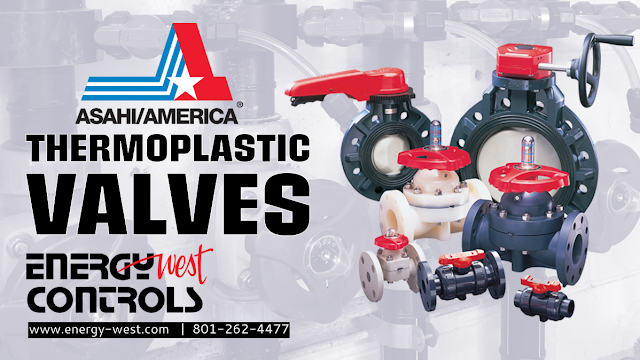
In industrial and laboratory environments, selecting the appropriate valve material ensures system integrity, safety, and efficiency. Thermoplastic valves—crafted from materials like PVC (Polyvinyl Chloride), CPVC (Chlorinated Polyvinyl Chloride), PP (Polypropylene), and PVDF (Polyvinylidene Fluoride)—have gained prominence due to their numerous advantages over traditional metal valves.
One of the most significant benefits of thermoplastic valves is their exceptional resistance to corrosion and chemical attack. Industries that handle aggressive chemicals, acids, bases, and solvents require materials that can withstand harsh conditions without degrading. Thermoplastics like PVC and CPVC exhibit remarkable chemical inertness, preventing reactions that could compromise the valve's integrity. This resistance not only prolongs the lifespan of the valves but also maintains the purity of the fluids being transported, which is essential in laboratory and pharmaceutical applications.
Thermoplastic valves also offer superior durability in environments where metal valves might fail. Unlike metals that can corrode or rust over time, thermoplastics remain unaffected by moisture and corrosive substances. This durability reduces the need for frequent maintenance and replacements, leading to cost savings and increased operational efficiency. Additionally, thermoplastic valves are less susceptible to scaling and fouling, ensuring consistent flow rates and reducing the risk of blockages.
Another advantage of thermoplastic valves is their lightweight nature. They are easier to handle and install than heavier metal valves, which can require specialized equipment and additional labor. This ease of installation translates to reduced installation time and costs. In complex piping systems, the reduced weight can lessen structural stress on pipelines and support structures, enhancing overall system stability.
Thermoplastics also provide excellent thermal and electrical insulation properties. Materials like PVDF and PP can operate effectively across a broad temperature range, making them suitable for hot and cold fluid applications. Their insulating properties help maintain fluid temperatures and prevent energy losses, which is particularly beneficial in processes where temperature control is critical.
In terms of versatility, thermoplastic valves are compatible with a wide range of applications. Chemical processing plants safely handle corrosive fluids without risk of contamination or degradation. Water and wastewater treatment facilities utilize thermoplastic valves to manage fluids that can harm metal components. In laboratory environments, the purity and inertness of thermoplastics are essential for precise and uncontaminated experimental results. The semiconductor industry relies on PVDF valves' ultra-high purity and low leachability to prevent contamination in sensitive manufacturing processes.
Cost-effectiveness is a compelling reason for the adoption of thermoplastic valves. While the initial investment may be comparable to metal valves, the long-term savings are significant due to reduced maintenance, longer service life, and minimized downtime. Businesses can allocate resources more efficiently, focusing on innovation and expansion rather than frequent equipment replacements.
Asahi America is a leader in providing high-quality thermoplastic valve solutions tailored to industrial and laboratory needs. With an extensive product lineup that includes PVC, CPVC, PP, and PVDF valves, Asahi America delivers reliable, efficient, and safe flow control solutions. Their valves are designed to meet rigorous industry standards, ensuring optimal performance even in the most demanding applications.
For businesses in the Rocky Mountain Region, accessing Asahi America's superior thermoplastic valves is convenient through Energy West Controls of Golden, CO. Energy West Controls offers expert guidance and support, helping clients select the most suitable valves for their specific applications. Their commitment to customer service and technical expertise ensures that clients receive top-quality products and the support necessary for seamless integration into their systems. To explore the full range of Asahi America's offerings, the Asahi America General Catalog can be downloaded from the Energy West Controls website here.
Thermoplastic valves provide unparalleled benefits in industrial and laboratory environments. Their resistance to corrosion and chemicals, durability, ease of installation, and cost-effectiveness make them an ideal choice for modern applications. By choosing Asahi America's thermoplastic valves and leveraging the regional availability and support from Energy West Controls, businesses can enhance their operations, ensure safety, and achieve long-term success in their respective industries.
1955 West Industrial Circle
Salt Lake City, Utah 84104
Phone: 801-262-4477
Fax: 801-261-0862
Web: https://energy-west.com